
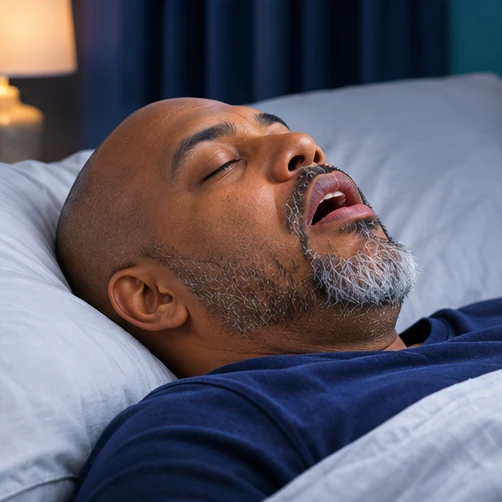
Snoring is common, and not everyone who snores has a sleep disorder. But when snoring is loud, frequent and accompanied by choking or pauses in breathing, it may be a sign of obstructive sleep apnoea (OSA)—a condition that deserves medical attention.
What causes snoring?
Snoring happens when airflow causes tissues in the upper airway to vibrate during sleep. Nasal congestion, throat anatomy, sleeping position and other factors can influence it. The sound alone cannot establish whether sleep apnoea is present.
Signs that deserve evaluation
- A bed partner witnesses pauses in breathing.
- The person wakes choking or gasping.
- Daytime sleepiness affects work or driving.
- There are morning headaches or poor concentration.
- A child snores loudly and struggles to breathe comfortably during sleep.
How an ENT assessment fits in
An ENT specialist may assess the nose, mouth, throat and upper airway for possible obstruction. Depending on the symptoms, a sleep study may be needed to determine whether obstructive sleep apnoea is present. No one can reliably diagnose sleep apnoea from a short phone recording alone.
What treatment might involve
Management depends on severity and cause. It can include sleep-related therapies such as CPAP, selected devices, risk-factor management or treatment of an ENT contributor to obstruction. The right option is determined after appropriate medical assessment; not every snorer needs an operation.
What about children?
In children, enlarged tonsils or adenoids may contribute to sleep-disordered breathing. Persistent loud snoring, witnessed pauses or significant restless sleep should be discussed with a paediatrician or ENT clinician.
When to seek care
Breathing difficulty during wakefulness needs urgent assessment. People who regularly fall asleep while driving should not continue driving until medical advice is obtained.
For someone searching for an ENT doctor in Trinidad for snoring, the first step is to explain the symptoms and ask which assessment pathway is appropriate. A partner's observations and a record of sleep patterns can be helpful.
How is sleep apnoea assessed?
A clinician may ask about witnessed breathing pauses, daytime symptoms, sleep routines, weight changes and other medical conditions. Examination of the nose and throat can identify possible contributors, while a sleep study may be required to measure sleep-related breathing events. Snoring volume alone cannot grade the severity of the condition.
Should parents worry about a child who snores?
Occasional snoring with a cold can happen. Frequent loud snoring, struggling to breathe, restless sleep or daytime difficulty with attention deserves discussion with a healthcare professional. Children need age-appropriate evaluation, and adult sleep-apnoea advice should not automatically be applied to them.
Safer steps while awaiting an appointment
Avoid alcohol near bedtime if it worsens snoring, maintain regular sleep habits and discuss nasal congestion or weight-related concerns with your clinician. Do not drive if you are excessively sleepy. Treatment varies widely, and any device or procedure should follow an appropriate diagnosis.
Questions about snoring and airway assessment
Is a sleep study always needed?
Not for every person who snores. A clinician can assess symptoms and risk factors and advise when formal sleep testing is appropriate. Persistent daytime sleepiness or observed breathing pauses are important details to share.
Can treating a blocked nose fix sleep apnoea?
Addressing nasal obstruction may help comfort and breathing, but sleep apnoea can involve several parts of the airway. Management is based on a broader assessment and may require care beyond the nose.
Further reading and clinical references
Medical note: This information is for general education and cannot replace a personal examination or diagnosis.