A blocked-ear feeling can be uncomfortable. Some people describe pressure, dull hearing, a sense of fullness or an unusual sound in the ear. It is tempting to assume that wax is the problem, but several conditions can cause similar symptoms.
Earwax blockage
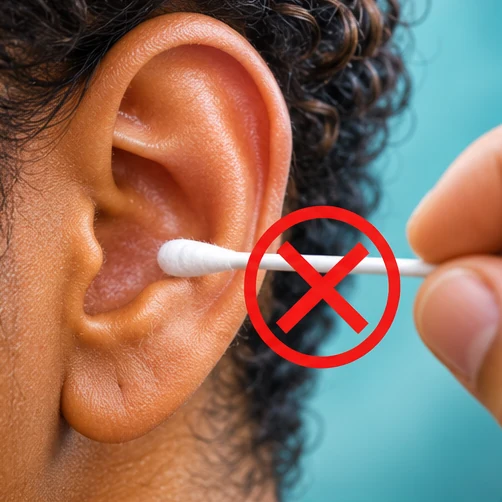
Earwax protects the canal. Sometimes it accumulates and causes fullness, itching, partial hearing reduction or ringing. Cotton buds often push wax deeper and make the problem worse. A clinician can inspect the canal to check whether wax is truly the cause.
Infection in the ear canal
Otitis externa, sometimes called swimmer's ear, affects the outer ear canal. Symptoms can include pain, tenderness when moving the outer ear, itching or discharge. A damp canal or irritated skin can contribute. Treatment depends on examination findings; self-prescribed drops are not always appropriate.
Middle-ear problems
Fluid behind the eardrum or a middle-ear infection may cause a blocked sensation, hearing change or ear pain. Middle-ear conditions are different from wax in the external canal. Some follow a cold or upper respiratory infection, and children may be particularly affected.
Pressure changes and Eustachian tube symptoms
During flights, colds or nasal congestion, the tube that helps equalise middle-ear pressure may not function comfortably. People notice popping, pressure or muffled hearing. Persistent symptoms need evaluation, especially if one-sided or accompanied by other concerns.
Why you should avoid guessing
Putting a cotton bud into a sore ear, flushing it or using drops without examining the eardrum can create new problems. An assessment may include a look inside the ear and, depending on the symptoms, a hearing test.
When is it urgent?
A sudden drop in hearing, especially over hours or a few days, needs urgent medical care. Severe pain, significant swelling, dizziness, facial weakness or bloody discharge also warrant prompt assessment.
Getting help in Trinidad
If you are searching for an ENT specialist in Trinidad for a blocked ear, note whether the problem affects one ear or both, whether there is pain or discharge, and when it started. These details help guide an appropriate appointment. The correct treatment depends on the diagnosis, not just the feeling of fullness.
How can the causes be distinguished?
The location of pain, whether touching the ear hurts, visible discharge, associated fever and the condition of the eardrum may all help a clinician. Wax can sometimes obstruct the view, while an ear with fluid behind the eardrum may look different despite having a similar blocked sensation. Symptoms alone are not always enough to tell the difference.
What should I avoid before an examination?
Do not dig into the ear with a cotton bud or use a household syringe to force water inside. Do not assume that a painful ear needs wax-softening drops: some products are unsuitable if the eardrum is damaged. Don’t use ear drops without medical advice; have your ears checked first even if a pharmacist recommends them.
When to seek assessment promptly
Severe pain, discharge with fever, swelling behind the ear, new facial weakness, dizziness or sudden hearing loss should be assessed promptly. Young children, people with diabetes or reduced immunity and anyone with previous ear surgery may need extra caution. For a minor but persistent blocked sensation, a routine examination can still prevent unnecessary self-treatment.
Questions about blocked ears in adults and children
Does a blocked ear always mean wax?
No. Middle-ear fluid, infection, pressure-related problems and hearing disorders may produce similar sensations. An examination can often identify whether wax is present and whether additional assessment is needed.
Should I try flushing my ear at home?
Avoid flushing or placing products in an ear when the cause of discomfort is not known, especially if you have pain, drainage, previous ear surgery or a suspected eardrum perforation. Seek clinical advice on suitable treatment.
Further reading and clinical references
Medical note: This information is for general education and cannot replace a personal examination or diagnosis.